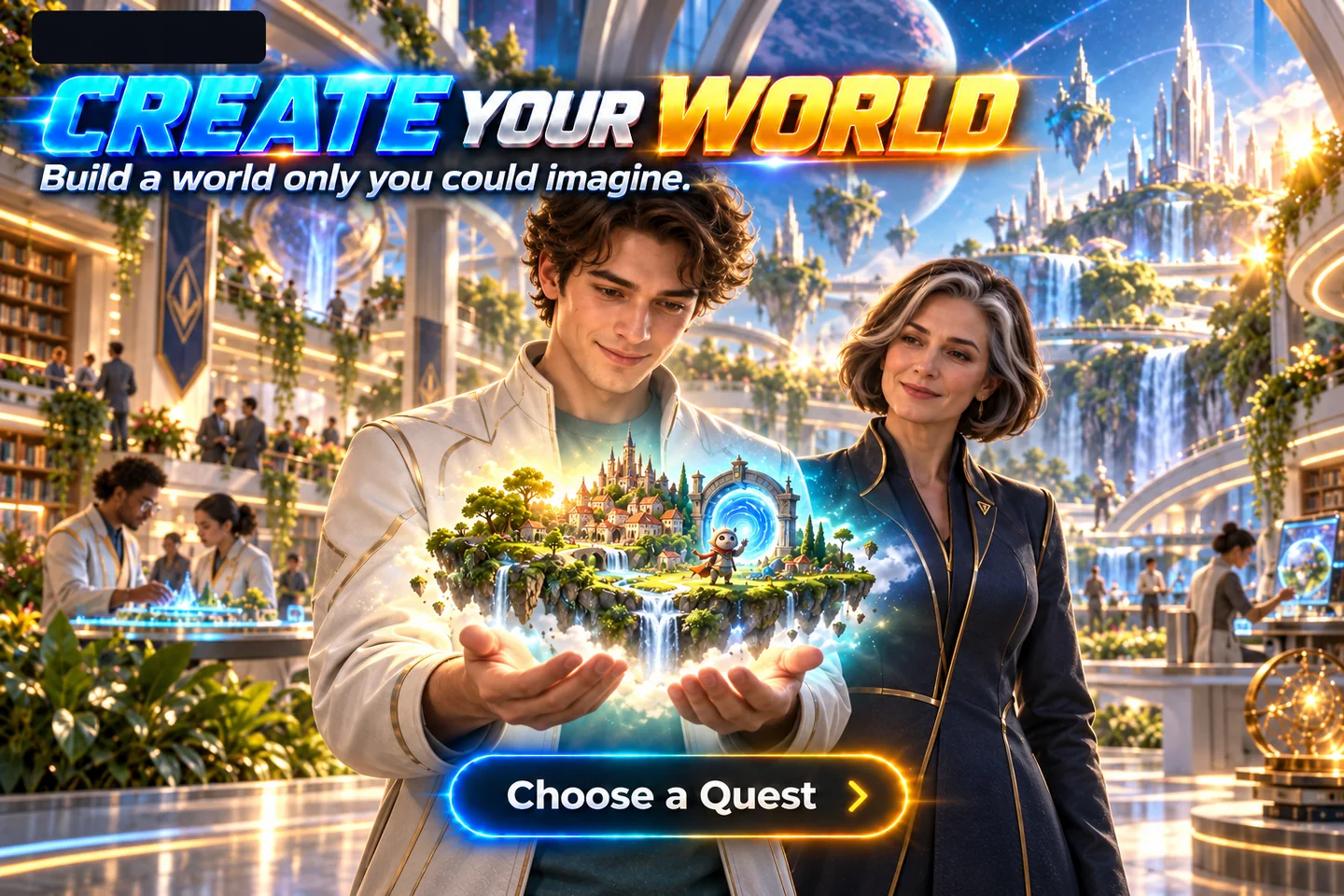
A universe people enter for a story. And return to build their own.
AXIOMA connects worlds, stories, creation and people in one experience. Its media engine attracts attention, the product turns it into action, and brands and creators gain a measurable way to participate.
Eridan: approved concept artwork. Game-world status is described below.A person does not have to pay before AXIOMA becomes useful. They can follow a story, try a quest, make something of their own or meet others through a shared interest. Each action opens a meaningful next route, creating both product and commercial logic.
Why people return
Most people do not need another virtual world. They need a clear reason: unwind, experience a story, learn an action, express themselves or find collaborators. AXIOMA starts with that need. One visit may be a short story on a commute, another a personal video, another a shared task or a meeting with an expert.
A story is easy to enter
A short scene leads to another chapter, world or creator. The next chapter gives a reason to return.
An idea becomes something real
Templates, generation, editing and publishing help a person create and share their own result.
Interest becomes connection
A quest, topic or event gives people a shared context for play, learning, collaboration and a future transaction.
Start with an experience that matters to the person. Then earn the right to ask for attention, time or money.
A journey across the Universe
One account and a connected catalogue are intended to let a person watch a scene, make a choice, save a result, enter a neighboring world and return for a new release. Parts of this path work on the web today; full continuity across worlds and devices is a separate milestone.
Buddy can become a guide: explain a task in context, suggest a relevant route, show a card and leave the choice to the person. Selected Buddy actions already exist on the web; persistent memory and identical behavior in every client are not yet accepted. XP records progress, internal coins are a spendable balance, and Power Points concern useful contribution and trust. No unapproved exchange rates or thresholds are assigned here.
Worlds, stories and creators
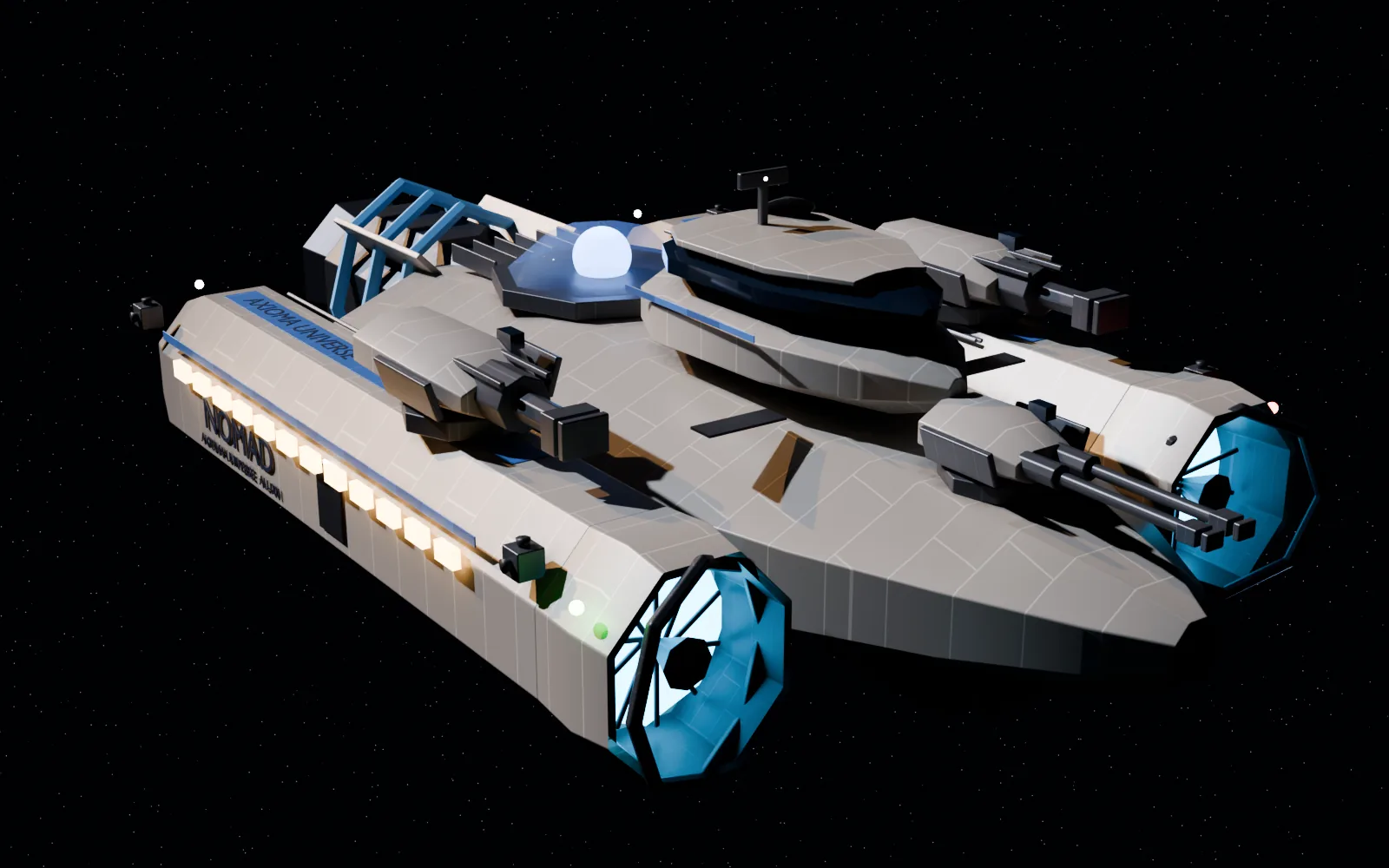
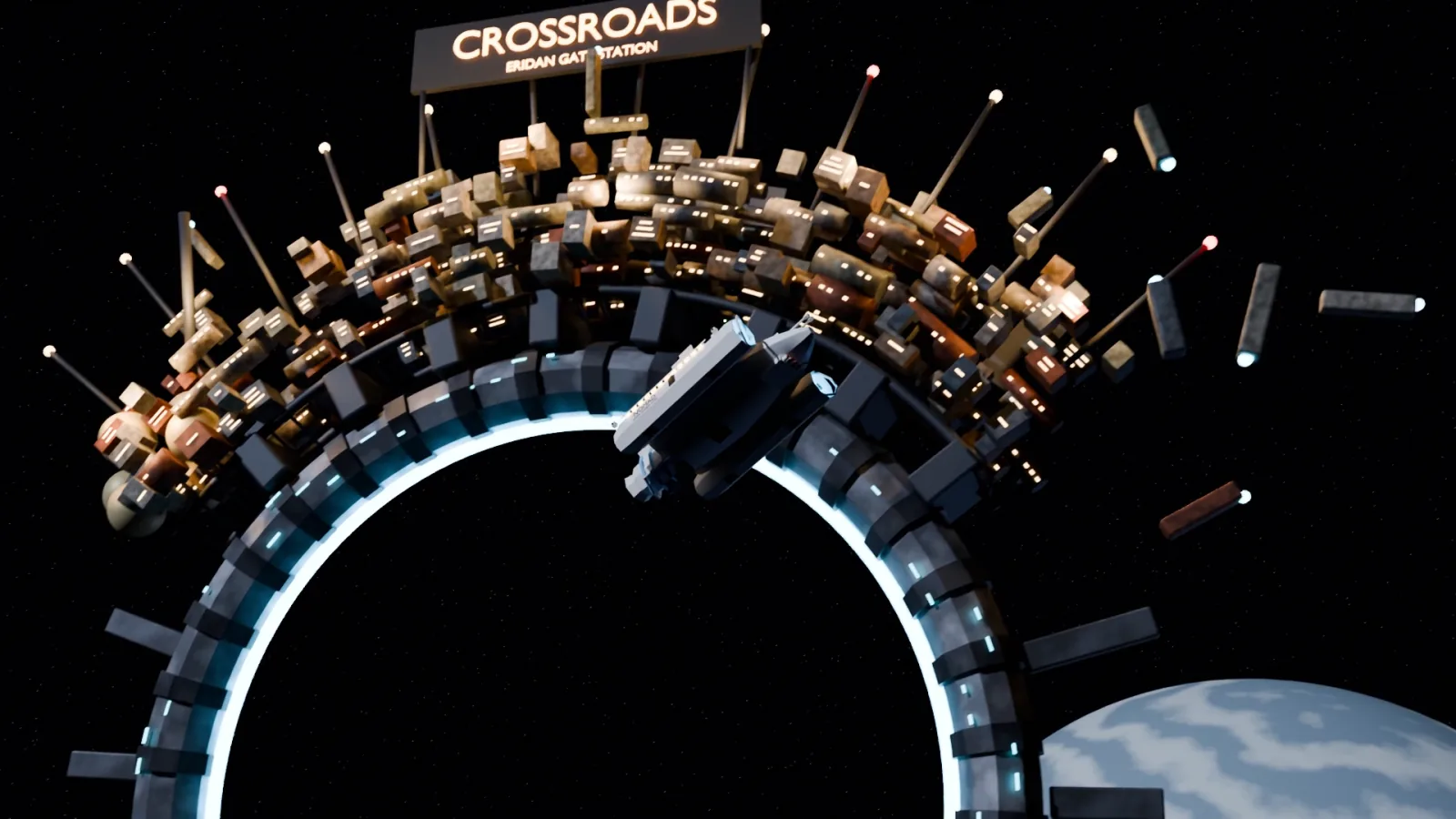
Meridian connects themed destinations: Nova City offers an everyday city entry; Noema focuses on knowledge; Fame on creators and a studio; Cinema on viewing and screen projects; Challenges on action; Elysium on teams and technology. Eridan is a separate science-fiction world. The value lies in a journey between interests and people, not in the number of planet icons.
Nova City → Challenge → Fame
A person finds a story, makes a first choice and shares a personal video. A brand may fund a themed route that stays free for participants when delivery and measurement are agreed.
Noema → Fame → Cinema
Learn a skill, make a short piece, share it and progress toward a longer format: a possible value ladder. Payment only occurs for a specific product the person chooses.
ZALPOM is a proposed vertical-series direction for regular viewing and demand for longer-form content. A previously discussed cadence of 5–7 series a month with 12–18 episodes each is a production goal, not a live catalogue, sold minutes or a verified audience.
The catalogue contains 22 destinations; it is a map of the vision and published parts, not 22 finished worlds. The Project section records status for each destination.
The content engine and Fame
AXIOMA Media is the production layer: prompts and short shots → master video → reviewed variants → publication through themed channels → measured visit into the product. Fame is intended as a network of editorial creator characters and channels, not merely a collection of avatars. A brand gets value when the right audience sees an experience and takes the agreed action.


Example: 750 master minutes. If these yield 100,000 assembled 45-second variants, that is 75,000 output-file minutes, not 75,000 freshly generated minutes.
The current workbook plans 48 characters and two original videos daily: 2,880 originals per month or 34,560 per year at full operation. Publishing across 10 platforms does not multiply original generation tenfold.
Sources: founder production illustration; 8 Oct 2026 workbook, Parameters!F51:F54. Output, channels and views are plans, not a live media network. An earlier 50-creators × 3-posts × 360-days illustration yielded 54,000 originals a year; that is a different plan. Accepted, published and sold minutes are counted separately.
Who pays and why
Three commercial paths begin with different needs. A person pays for a personal result or premium experience. A brand pays for produced content, integration and an agreed route to an audience. A merchant or resident may later pay for services and transactions; only AXIOMA’s fee is its revenue, while merchant sales remain merchant GMV.
Make your own
A generation purchase, tool, lesson, personal film or paid quest. Repeat purchase requires a new valuable job.
Fund an audience experience
A brand funds a campaign. Participation can be free. The contract sets publication, metrics, rights and price.
Operate in the ecosystem
Resident service, integration or commission on an external sale. This line is switched off in the current core scenario.
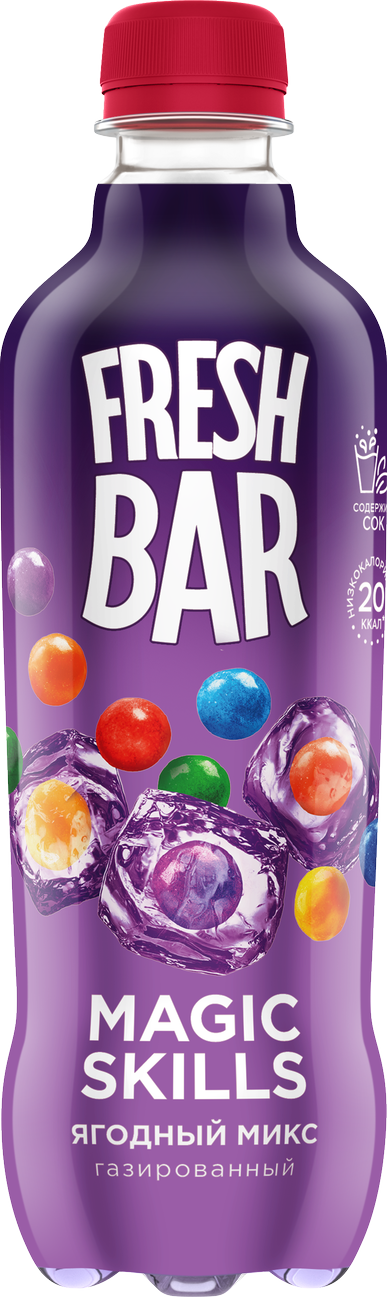
FreshBar illustrates the chain: a brand funds a themed story, people enter for free, and themed channels and owned surfaces carry the invitation. Views, visits, starts, completions and the target action are separate events. A published story card is not evidence of a contract or delivered media plan.
Unit economics: from order to contribution
Scaling requires each sale to be measured with its direct delivery. An illustrative gross difference does not replace CAC, free-user costs, support or overhead.
| Unit and payer | Revenue | Direct cost | Contribution before acquisition and overhead |
|---|---|---|---|
| Generation purchase · person | $25 | $10 | $15 |
| Single exclusive quest · person | $5 | 3% payment fee ($0.15); creation, support and refunds not allocated | n.a. |
| Brand campaign · brand | Contract price; scenario M4 flagship $143,740.29 | Production, publishing, paid media, QA and support: n.a. | n.a. |
| Accepted content minute · customer or owned channel | Contract price / internal transfer value: n.a. | Shot generation + retries + assembly + QA + publishing ÷ accepted minutes | n.a. |
Sources for first three rows: Parameters!F19:F20; Quest Commerce!C73:C121; B2B2C!F9:F17 in the 8 Oct 2026 workbook. $25/$10 and quest prices are scenario inputs, not observed transactions or a live price list. The production formula is a pilot definition, not measured cost.
When does a person pay back?
Cohort contribution = repeat revenue minus direct paid and free-use costs and support. CAC = verified acquisition spend divided by new unique customers. Retention and LTV follow observed cohorts; values for the selected plan are not yet verified.
When is a campaign worth doing?
Campaign contribution = paid price minus shots and QA, publication and media spend, platform fees and delivery. The current workbook lacks full direct COGS and cash collection timing; brand contribution and payback remain n.a.
Scale: the scenario and its conditions
The 8 October workbook shows how selected assumptions could accumulate across 36 months. It relies on registration targets, an illustrative eventual payer share, product purchase frequency and brand package capacity. It is a map of questions to validate, not a history of money already earned.
| Stream | Year 1 | Year 2 | Year 3 | 36 months |
|---|---|---|---|---|
| B2C | $113.97 m | $487.44 m | $809.80 m | $1,411.22 m |
| B2B2C | $8.79 m | $27.01 m | $44.42 m | $80.22 m |
| B2B | $0.00 m | $0.00 m | $0.00 m | $0.00 m |
| Total | $122.76 m | $514.45 m | $854.22 m | $1,491.44 m |
The planning base is 10 million registrations by M36 and a 10% eventual payer assumption in the selected product plan. These are not measured conversion. A separate founder hypothesis of 5% eventual payers and $2,000 lifetime revenue per payer is a comparison benchmark, not added to the selected scenario.
System, access and trust
One product spans several environments. The web uses Three.js and already exposes selected journeys. Native clients are built in Unity. Shared GLB/glTF assets and JSON contracts help carry objects across them, while each client still needs its own materials, lighting, controls and end-to-end journey testing.
Web + Unity
Shared semantic objects; separate acceptance on browser, desktop and physical phone. Planned mirrored content is not achieved parity.
Identity and progress
A web profile and parts of progress exist. Full cross-world synchronization, offline actions and persistent Buddy memory are separate work.
Orchestration and QA
Model selection, shot generation, retries, input/output rights, editorial review and provider invoices need to reconcile in one production record.
Material permissions
Public product and investor files are separated. In this room a personal link limits duration and materials; downloads pass through the same server checks.
Generation speed does not remove platform rules, character rights or user-data duties. AI providers can change: AXIOMA’s durable advantage must be evidenced in its workflow, quality, delivery data and channels rather than the name of an external model.
What can be seen today
Published web journeys include selected 3D spaces, the Eridan gallery, story cards and first choices, the Fame studio and character catalogue, profile and selected Buddy actions. Native Unity scenes exist, while installed build content and behavior on Windows and a physical iPhone require separate checks. The private Investor Room carries the model and corporate documents through individual access.
Web experience
A visitor can open live pages and selected journeys. This enables behavior testing, not a claim of mass retention.
Native scenes
Selected worlds and shared models run in Unity. Journey parity and device QA are separate acceptance steps.
Media network & contracts
Live Fame channels, paid integrations, cohorts and accepted-minute cost must be supported by operating data.
Synth Nova L.L.C-FZ is evidenced by the supplied formation documents. Specific AXIOMA IP rights and investment terms still require contractual verification.
Next: turn hypotheses into evidence
- Validate the meaningful route. Observe why people came, what they completed and why they returned; separate free and paying cohorts.
- Measure content production. Count shots, retries, accepted minutes, QA time and provider invoices per unit.
- Run a brand pilot. Contract price, rights, publication volume, unique views, visits and paid delivery costs.
- Verify platform parity. Complete one route on web, Unity and a physical device, recording differences and test outcomes.
- Close financial gaps. Add direct brand delivery, full OPEX, cash collection timing, refunds, CAC and observed retention.
- Document rights and terms. Tie product rights, the entity, contracts and financing terms together in diligence-ready documents.
AXIOMA’s potential lies in a repeatable cycle: interest → experience → creation and connection → a new reason to return → measurable commerce. The next task is to turn each transition from a compelling hypothesis into observed evidence.
Edition 8 Oct 2026. Sources: published product and destination catalogue, approved visuals, 8 Oct 2026 AXIOMA scenario workbook, corporate documents in this room. The page and downloadable HTML are generated from the same source.